Monday, 3 March 2014

Causes of the Boer War

Countries involved

The Second Boer War was fought between the British Empire and the Boer Republic of South Africa. The British controlled parts of southern Africa while the Boers, who were the descendants of Dutch settlers to the region and usually farmers, controlled the Orange Free State and the Transvaal.

Causes of the war


  • Strategic: the British were interested in expanding their empire in southern Africa as this region was of key strategic importance to them as a route to India and other parts of the British Empire. They did not want to see the Boers join their territories to German possessions nearby.
  • Gold: Boer regions became more attractive to British miners and speculators such as Cecil Rhodes when gold was discovered there in 1886. The discovery of gold also worried the British as they felt that with this new wealth Boer areas would become too powerful.
  • The Uitlanders: the British were annoyed that the so-called Uitlanders, the mainly British foreigners living in Boer lands, were denied the vote in the Transvaal and the Orange Free State

Monday, 3 February 2014

The Outcomes of the Crimean War

Countries 

The 9th September 2855 was the end of the Siege of Sevastopol where the Russians evacuated Sevastopol and the British and French finally attained their target. On the 29th February 1856, armistice in the Crimea meant it was a British, French and Ottoman victory. On the 30th March 1856, The Treaty of Paris was formed which settled the Crimean War. Russia regained the land that had been occupied; the Black Sea was neutralised for open international trade. The treaty marked a severe setback to Russian influence in the region.

Individuals

Lord Cardigan was initially perceived as a hero after the Charge of the Light Brigade after he charged out ahead of his troops. He was later accused of deserting the Brigade at a crucial moment of the battle and of incompetence in relation to his failure to distribute provisions in Balaclava.
Lord Lucan received most of the blame for the Charge. He was accused of implementing an order he knew to be senseless and of failing to seek proper clarification of it.
Lord Raglan died in the Crimea in June 1855 and was held responsible for many of the problems of leadership and organisation during the Crimean campaign.

Changes in Britain

Nightingale's work and her iconic status helped to establish nursing as a respectable profession for women. Her name was used to raise funds to establish nursing training; £45000 was raised by 1859.St Thomas' Hospital in London established a training school for ten nurses in 1860. Nightingale used her statistical work on mortality rates to illustrate the need for sanitary reform in all military hospitals; in 1857 a Royal Commision on the Health of the Army was set up.
One military development after the Crimean war was the establishment of the Victoria Cross in 1856, the highest award for bravery in the British Army. The Victoria Cross embodied the new, more meritocratic approach in the British Army as soldiers of any rank could receive it. The Cardwell Army Reforms (1870-1871) were introduced and involved:

  • Purchase of commision was abolished: promotion in the British Army was now through merit.
  • Conditions for ordinary soldiers were improved: the period of overseas service was reduced from twelve years to six; pay was increased and flogging was abolished in peacetime. 
  • The structure of army organisation was simplified and combined under the responsibility of the War Office.
  • The Commander in Chief of the army was made responsible to the Secretary of War and through him, to Parliament.
  • The country was divided into local regimental districts and each area had two battalions. One would stay at home to train and the other could be sent overseas.

The move to a more meritocratic system in Britain following the Crimean War also extended to the Civil Service where, during Gladstone's first administration (1868-1874), all departments except for the Foreign Office adopted a system of recruiting by competitive examination.

http://en.wikipedia.org/wiki/Treaty_of_Paris_(1856)

Monday, 20 January 2014

The key battles of the Crimean War

Commanders of the British Army

  • Lord Raglan (Commander-in-chief of the British Army during the Crimean War)
  • The Earl of Lucan (Lord Lucan) (Commander of the Cavalry Division which included the Heavy Brigade and the Light Brigade)
  • The Earl of Cardigan (Lord Cardigan) (Commander of the Light Brigade)
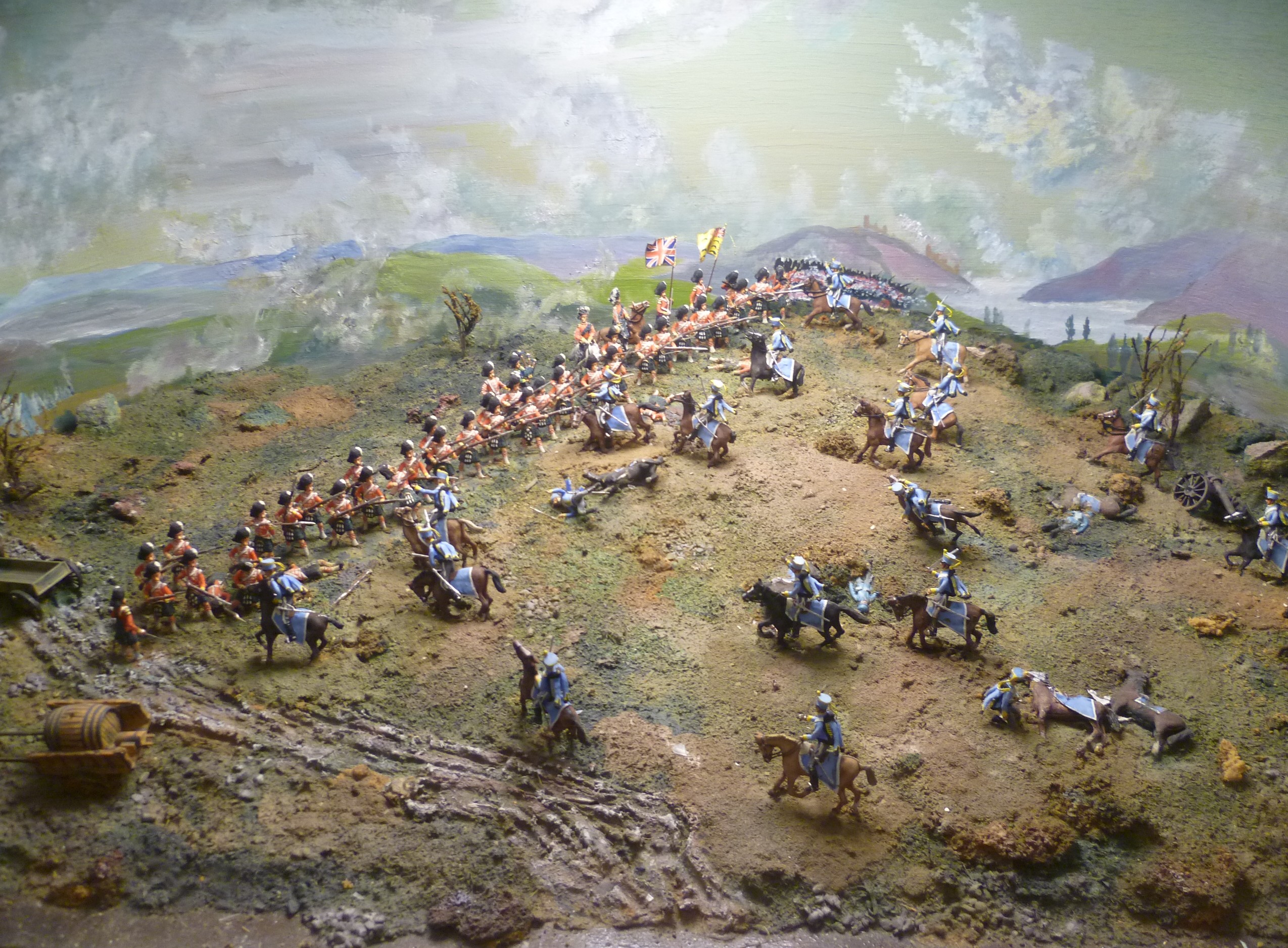
The Thin Red Line

Early on in the Battle of Balaclava, Russian soldiers advanced on the British line, organised in an unusual formation of two rows. The 93rd Highlanders stopped the Russians by firing volleys of musket shots.Watching from the hills above, William Howard Russell memorably depicted the soldiers as a 'thin red streak'. The soldiers of the Thin Red Line have been remembered as a symbol of the determination and heroism of the British soldier.

The Charge of the Light Brigade

During the Battle of Balaclava, Lord Raglan issued a hurried and poorly explained order to Lord Lucan to charge at the Russian guns. Lord Raglan intended Lucan to focus upon retaking British guns that the Russians had taken. His orders were vague and Captain Nolan, the officer in charge of delivering the message to Lord Lucan was not able to clarify the order properly. Lucan pushed ahead with the charge and mistakenly sent the Light Brigade down a valley where they were surrounded by Russian forces who attacked them from higher ground.
The Charge of the Light Brigade had gone down in history as a horrendous military blunder accompanied by astonishing heroism of ordinary soldiers but this had been challenged by recent historians. Of the 661 who set off on the charge, 113 were killed, 134 were wounded and 45 were taken prisoner- the Russian casualty rate was similar. However, the Light Brigade were only saved from complete destruction by a French charge. Eye witness accounts like Russell's created the impression of a monumental error of army leadership and a tragic waste of life. Depictions such as Tennyson's poem reinforced this picture of blunder redeemed by the bravery and heroism of soldiers.

http://poetry.eserver.org/light-brigade.html

Tuesday, 31 December 2013

The people of the Crimean War

There were many key figures during the Crimean War:

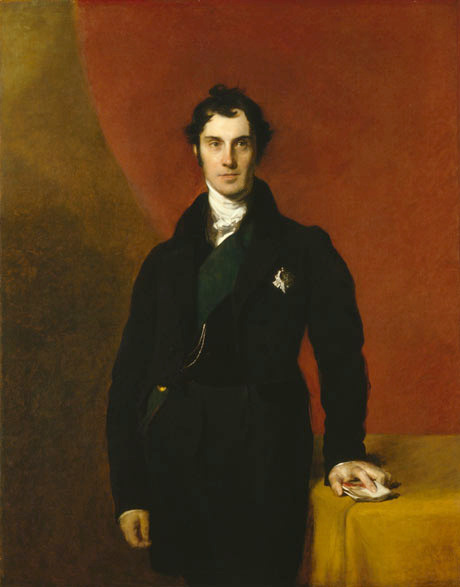
Lord Raglan (30th September 1788 - 29th June 1855) was the commander-in-chief of the British Forces during the Crimean War. Raglan was most known for ordering the British Light Brigade to take back guns that the Russians had seized. The orders involved the British cavalry racing uphill to face Russian cannons. This order contradicted all military wisdom especially considering that Raglan could see the battlefield and the Russian guns but still went through with the orders. After Balaclava, Raglan fought hard through official correspondence to pin the blame on Lucan however with events in the Crimea going badly, the pressure mounted on Raglan. He was heavily criticized in parliament and as leader of the military, the buck stopped with him. With time, Raglan has become the epitome of incompetence due to his lack of leadership qualities and his poor military strategies. His army didn't rate him and the politicians wanted him gone but in the aristocracy society of the time, he was never sacked.

Lord Aberdeen (28th January 1784 - 14th December 1860) served as Prime Minister of Britain from 1852 to 1855. Despite trying to avoid it, he took Britain into the Crimean War. The war forced Lord Aberdeen to resign from his post. Pressure from The Times newspaper and outrage from the middle classes at the incompetence the Conservative Party aristocrats managing the commissariat led to Aberdeen tendering his resignation to Queen Victoria. The Light Brigade, the Russian winter and the incompetence of the military led by Lord Raglan were also highly significant factors. The most powerful man in Britain and arguably the world at the time, was brought down by the war in the Crimea.  

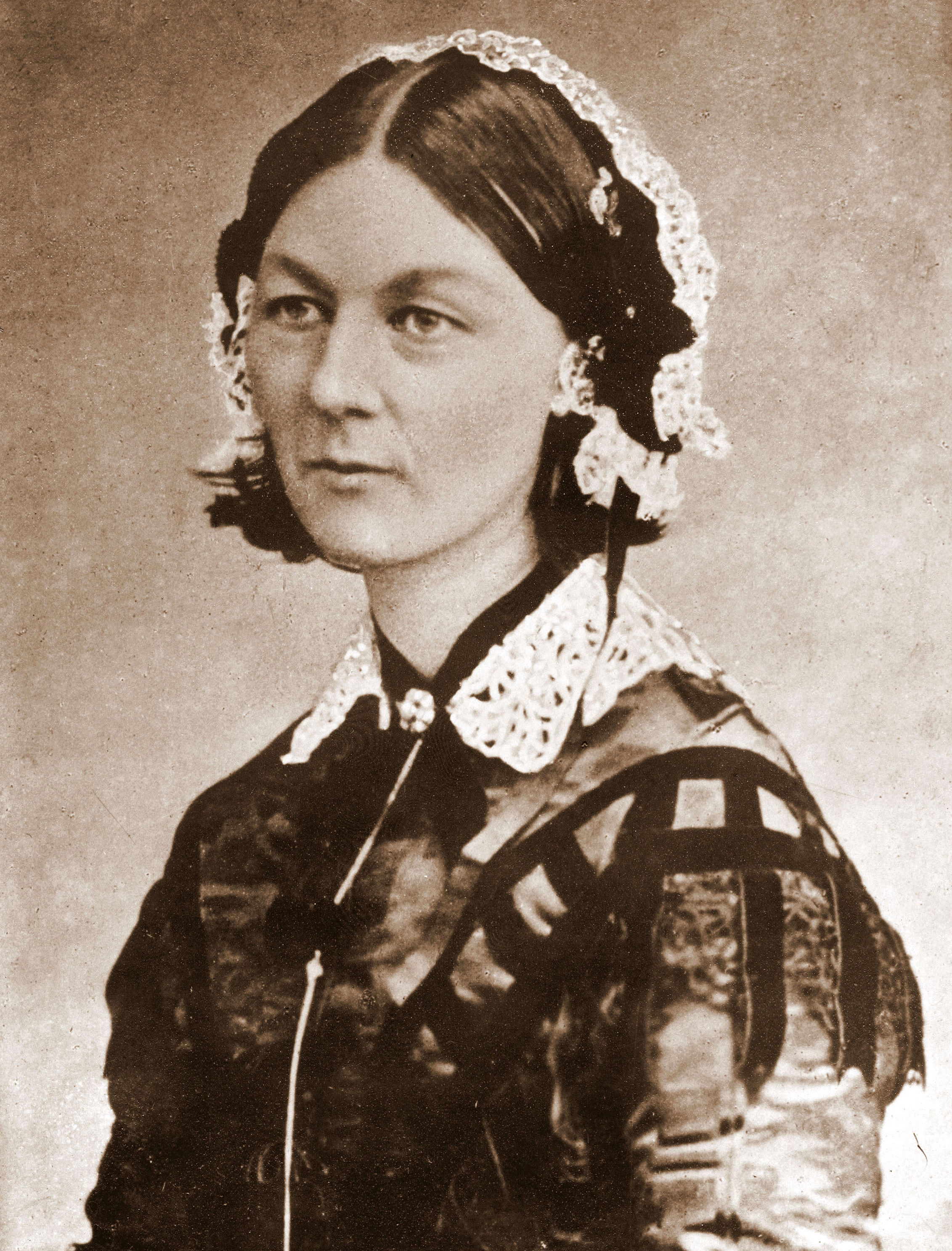
Florence Nightingale (12th May 1820 - 13th August 1910) led a team of 38 nurses to the Crimea to help improve standard of care and ease suffering of the regular troops. She addressed the issues of sanitation and ventilation by washing out the sewers and cleaning the ventilation systems that were the breeding ground of disease. With standards improving, the death rate of injured or sick soldiers dropped from 42.2% to 2%. Nightingale was one of the heroines from the war and she was considered the remedy to the bungling incompetence of the leadership of the country. On arrival home, Queen Victoria invited her to set up a Royal Commission to address the poor medical standards in the Army. The findings of the commission recommended an Army Medical School and more use of statistics when analysing the success of health care. She also inspired middle and upper women to pursue careers at a time when women were not expected to work.

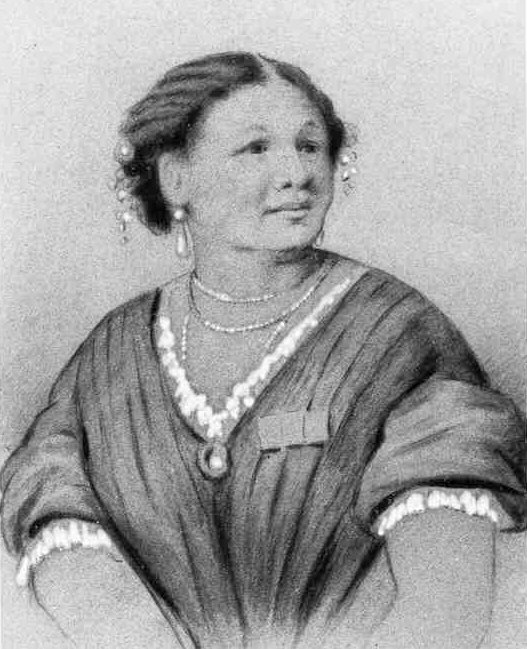
Mary Seacole (1805 - 14th May 1881) ,after numerous rejections from the government, decided to pay her own way to the Crimea to help with the soldiers. At Crimea, Seacole was known for her heroism as she tended to soldiers on the battlefield as the fighting went on around her. She constructed a boarding house from the scrap materials left around by the army that treated the sick and wounded. Seacole sold alcohol to the soldiers and was often frowned upon by Nightingale who referred to her boarding house as a 'broffle'. Nonetheless, her popularity in the Crimea and at home went through the roof. Her self-sacrifice and determination to make a difference ensured she was known as a heroine throughout the empire. However upon her return to Britain, she lived in poverty due to the social hierarchy that still existed within Britain.

William Howard Russell (28th March 1820 - 11th February 1907) was the first ever war correspondent, sending his dispatches from the front line by telegram. He wrote for The Times newspaper which was increasingly read by the growing middle classes during the war. The Times was openly critical of the way the war was being managed by the aristocratic political and military leaders. Russell spent December 1854 away from the harsh Russian winter, living in Constantinople. John Delane (11th October 1817 - 22nd November 1879) was the editor of The Times during the Crimean War and helped in determining public opinion. Russells reporting and Delanes critical editorial stance inspired Tennyson to write poetry, Nightingale to head out to the Crimea and Lord Aberdeen to resign.

Roger Fenton (28th Match 1819 - 8th August 1869) was the first war photographer and was paid by the commercial company 'Thomas Agnew & Sons' to go to the Crimea and produce an album of photographs that could be sold and exhibited in museums. He was asked to produce an album that showed the landscapes of the Crimea rather than an accurate picture of war with the death, destruction and inhumane conditions that the troops served in. His camera was big and needed a horse and cart to transport it and couldn't take images of moving objects. He arrived in March 1855 which meant that he missed the most extreme part of the war for the British troops - the Russian winter of 1854 and 1855.

Monday, 9 December 2013

Causes of the Crimean War

The Crimean War (October 1853 - February 1856) was caused by difference regarding territory and religion

This war was fought with an alliance between Britain, France, the Ottoman Empire (Turkey) and Sardinia against Russia. A long term cause of the war was that the Ottoman Empire was in decline and Russia wanted to expand into the Ottoman territory. Britain and France didn't want Russia to gain anymore territory, as with territory came power. Britain and France didn't want Russia to have more power as this could influence things like their trading. The Crimean War also had a short term cause of religious differences between Catholic France and Orthodox Russia. The tension between the two contributed towards the Crimean War. 
France and Britain went to war in the Crimea region of Russia aiming to destroy the Russian navy based at Sebastopol and maintain their dominance in Europe. The British Empire was very powerful at this time and they couldn't let anyone jeopardize this. Britain's aristocratic leadership believed it would be a short war and as such, weren't prepared. The troops for instance were not properly equipped for a winter conflict and this was bad for them when the Russian winter of 1854 - 1855 came. 

http://en.wikipedia.org/wiki/Crimean_War#The_immediate_causes_of_the_war
http://www.nationalarchives.gov.uk/battles/crimea/